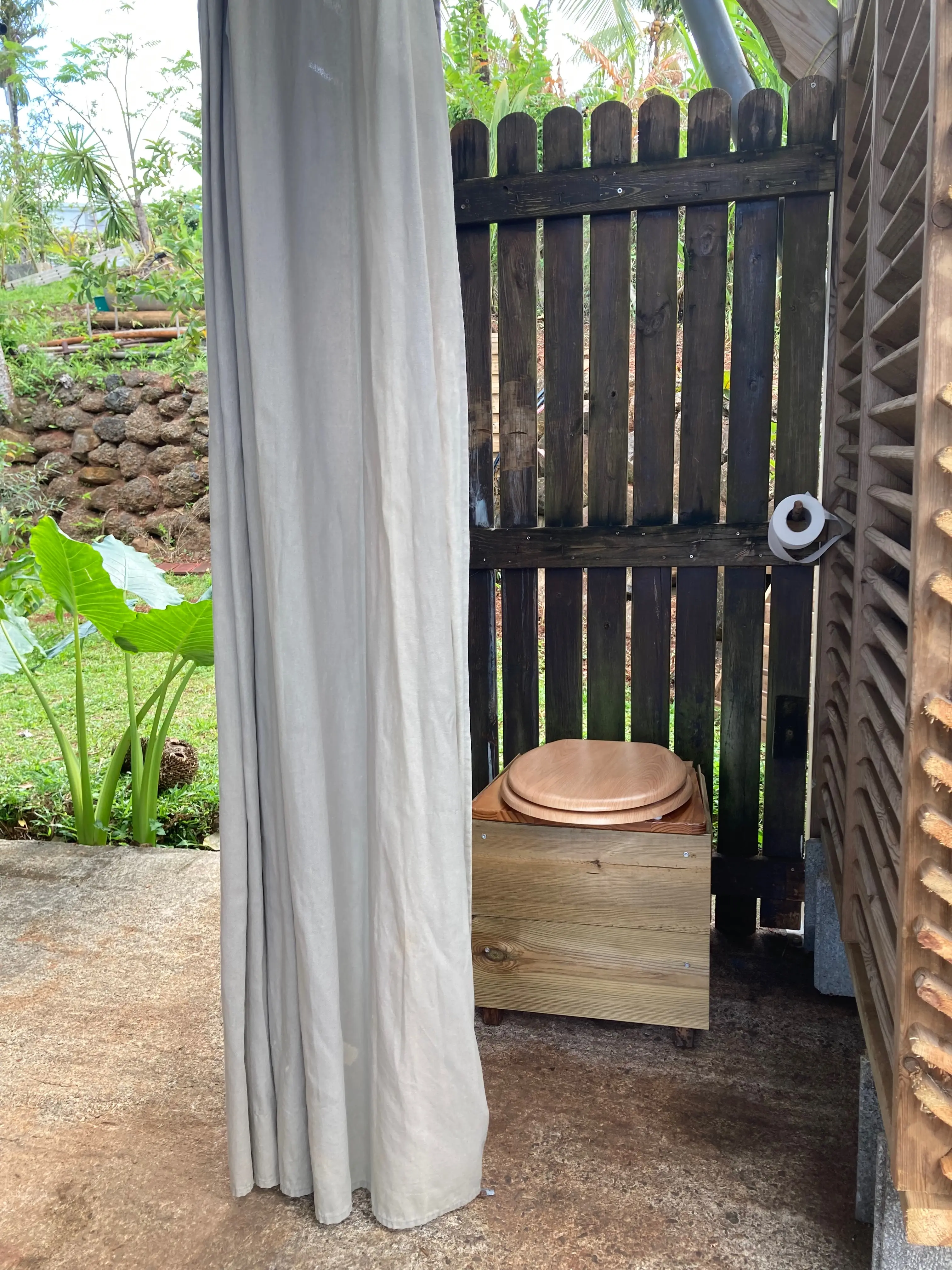
At first, the dry toilet was not an ecological statement.
We needed a toilet.
That was the whole thing.
When we started building the A-frame and shaping the land around it, everything was done with what we had. The first version was very rough. For a while, there was even an old chair, modified just enough to work. Not glamorous, but useful.
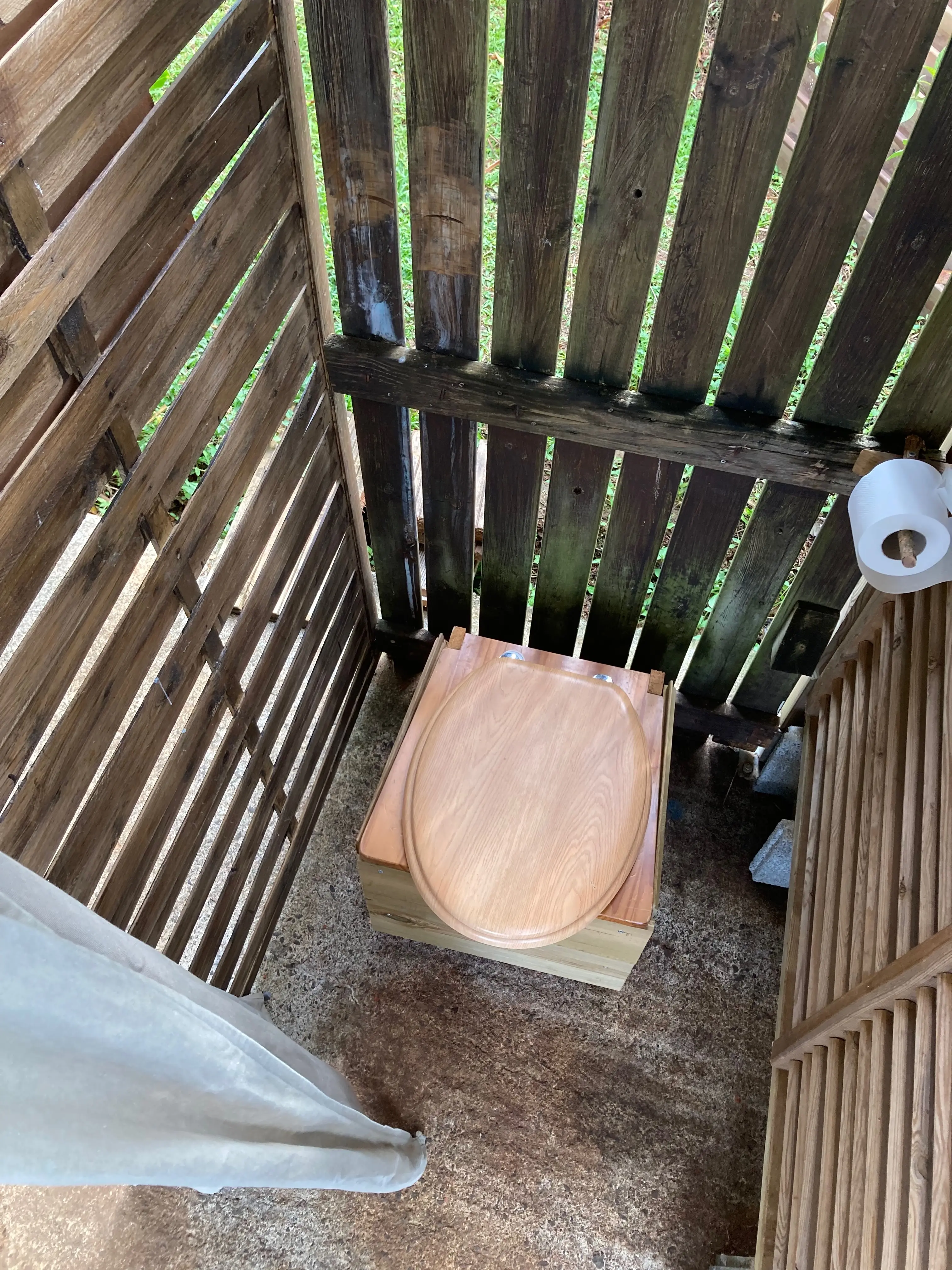
At some point, it had to become a real solution.
A septic system would have meant several thousand euros, more digging, more concrete, more work around a place we were trying to keep simple. At that stage of the project, it did not fit the budget. It also did not fit the logic of the land.
Anaïs was not convinced at first. For her, dry toilets meant smells, buckets, maintenance, and the very real possibility of one day handling waste from future guests. She could accept it as a temporary setup. Long term, she still pictured proper toilets: a flush, a septic tank, the usual system.
That made sense. We grew up with that idea. A normal toilet is something you flush and forget.
Then we started using the dry toilet.
A seat. A bucket. Sawdust.
That is it.
No mechanism, no chemicals, no mystery. After each use, you cover everything properly with wood shavings.
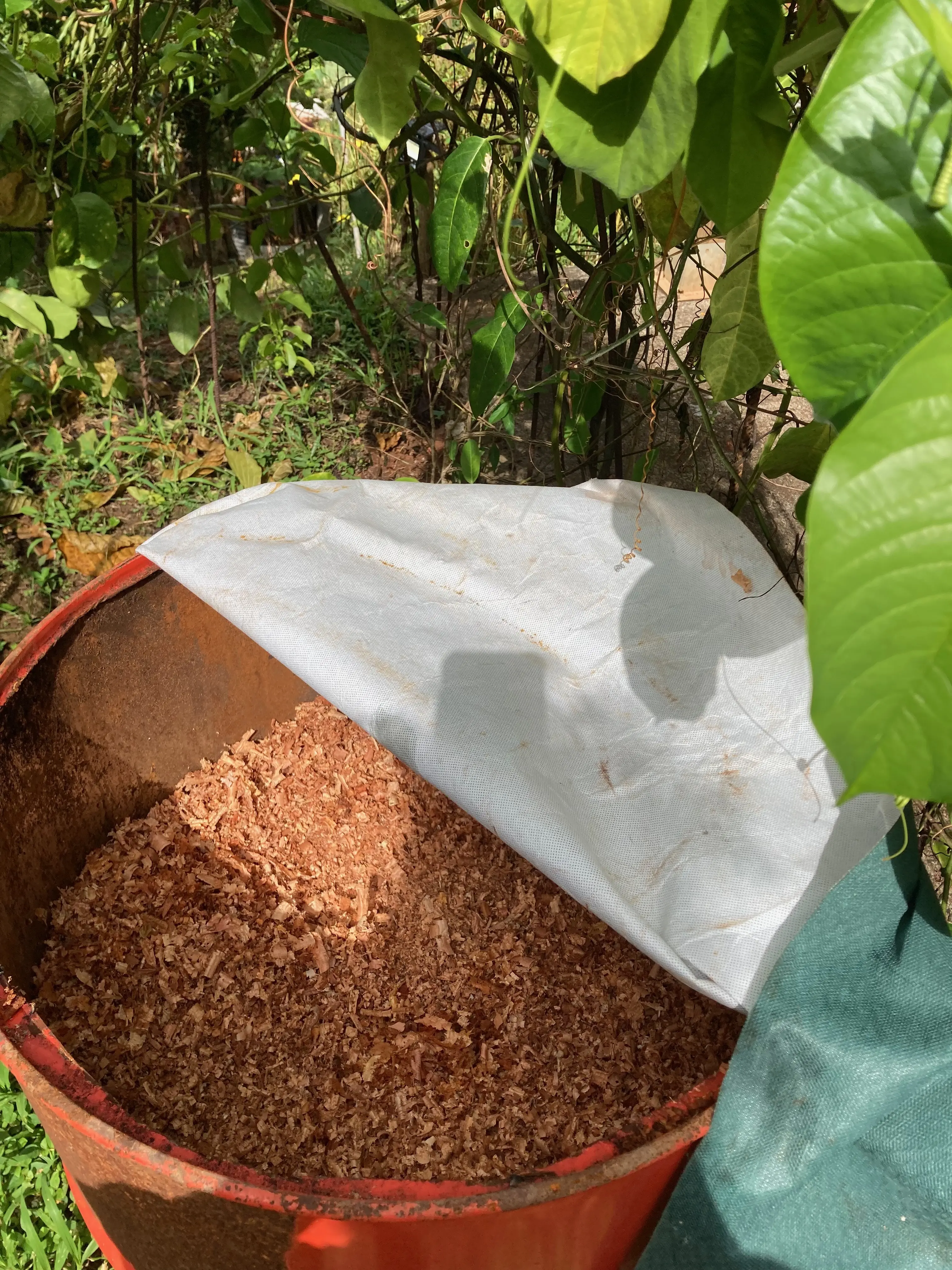
The sawdust is the important part. It absorbs moisture, blocks smells, and makes the whole thing cleaner than people imagine. You just have to use enough of it.
When it is done properly, it does not smell bad.
That changed the discussion. Not a theory, not a big ecological argument. Just the experience of seeing that it worked.
In Martinique, we are lucky to have water, and good water. That is exactly why it started to feel strange to use several litres of drinking water just to flush a toilet. There are dry seasons, restrictions sometimes, cuts sometimes. On an island, resources never feel infinite.
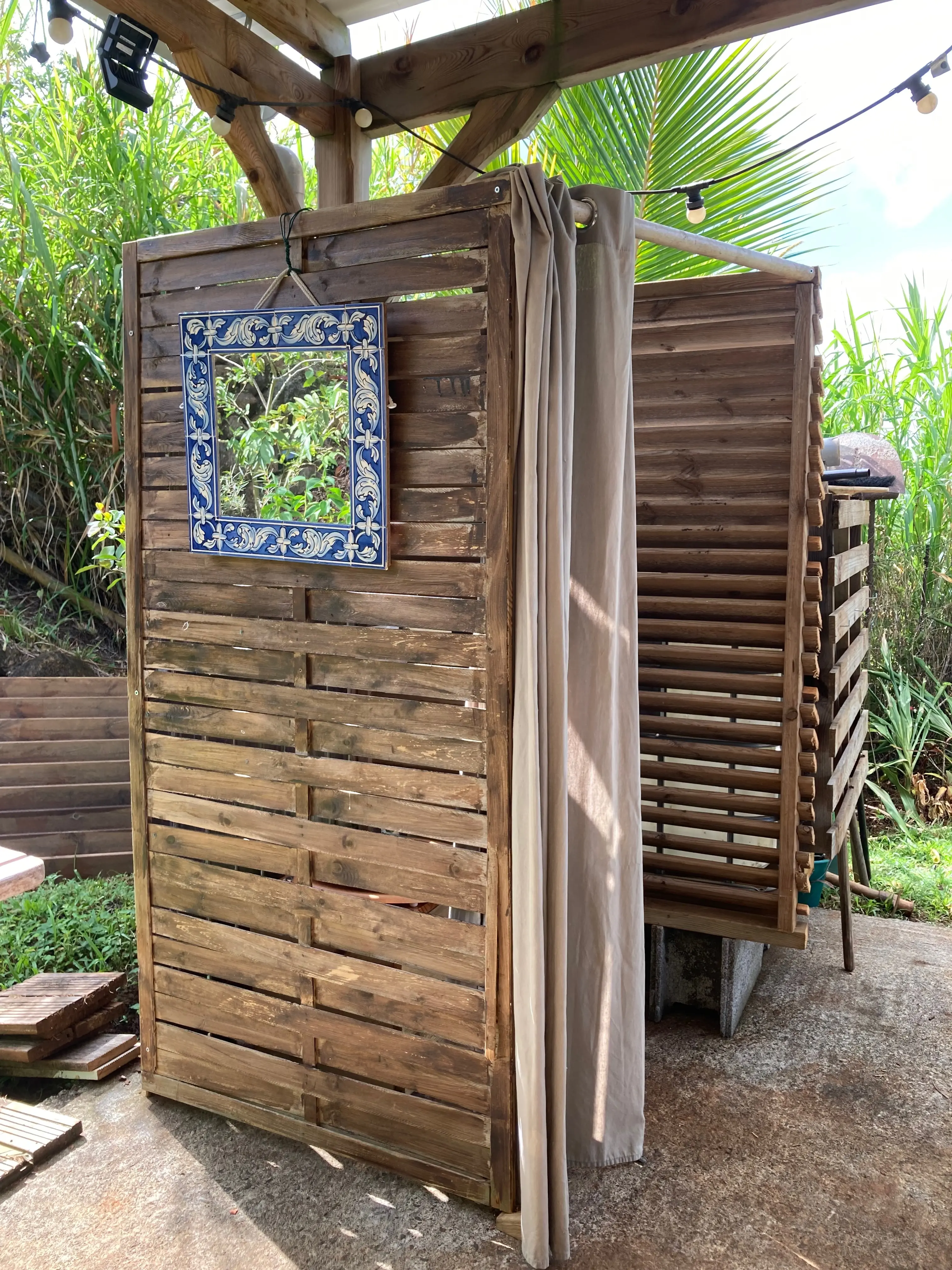
Now the dry toilet is part of the place.
We get the sawdust for free from a furniture maker in Schoelcher. In March, we brought back the equivalent of two big bags. Two months later, we still have plenty. Local, simple, free, and useful.
The toilet compost is kept separate from the kitchen compost. When the bucket is full, its contents go into a dedicated compost pit. We cover it again with dry matter, compact it, and let time do the rest. It stays far from the house and is used only for ornamental plants and flowers, never for anything we eat. The kitchen compost has its own cycle for the garden.
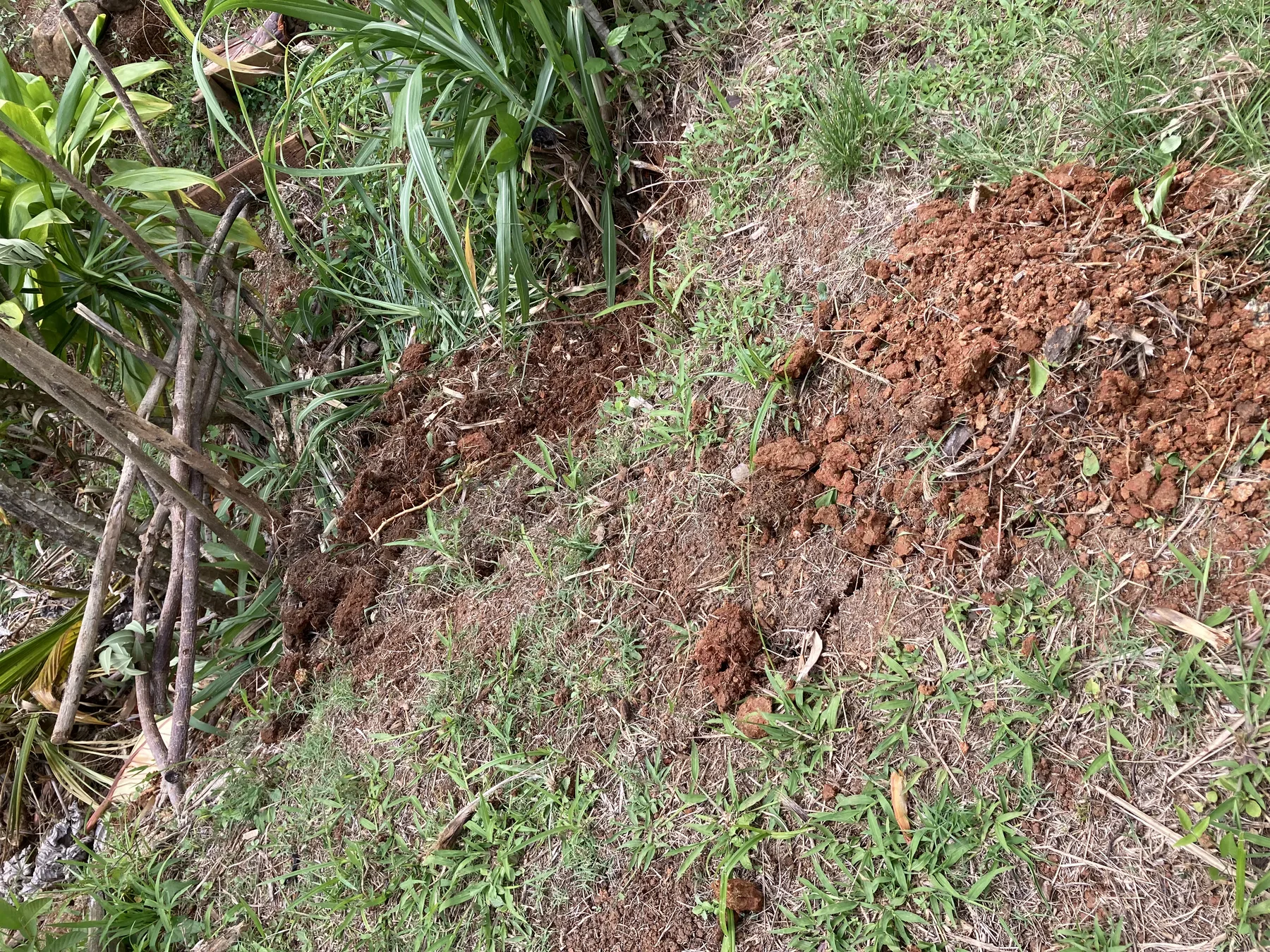
That rule is not negotiable.
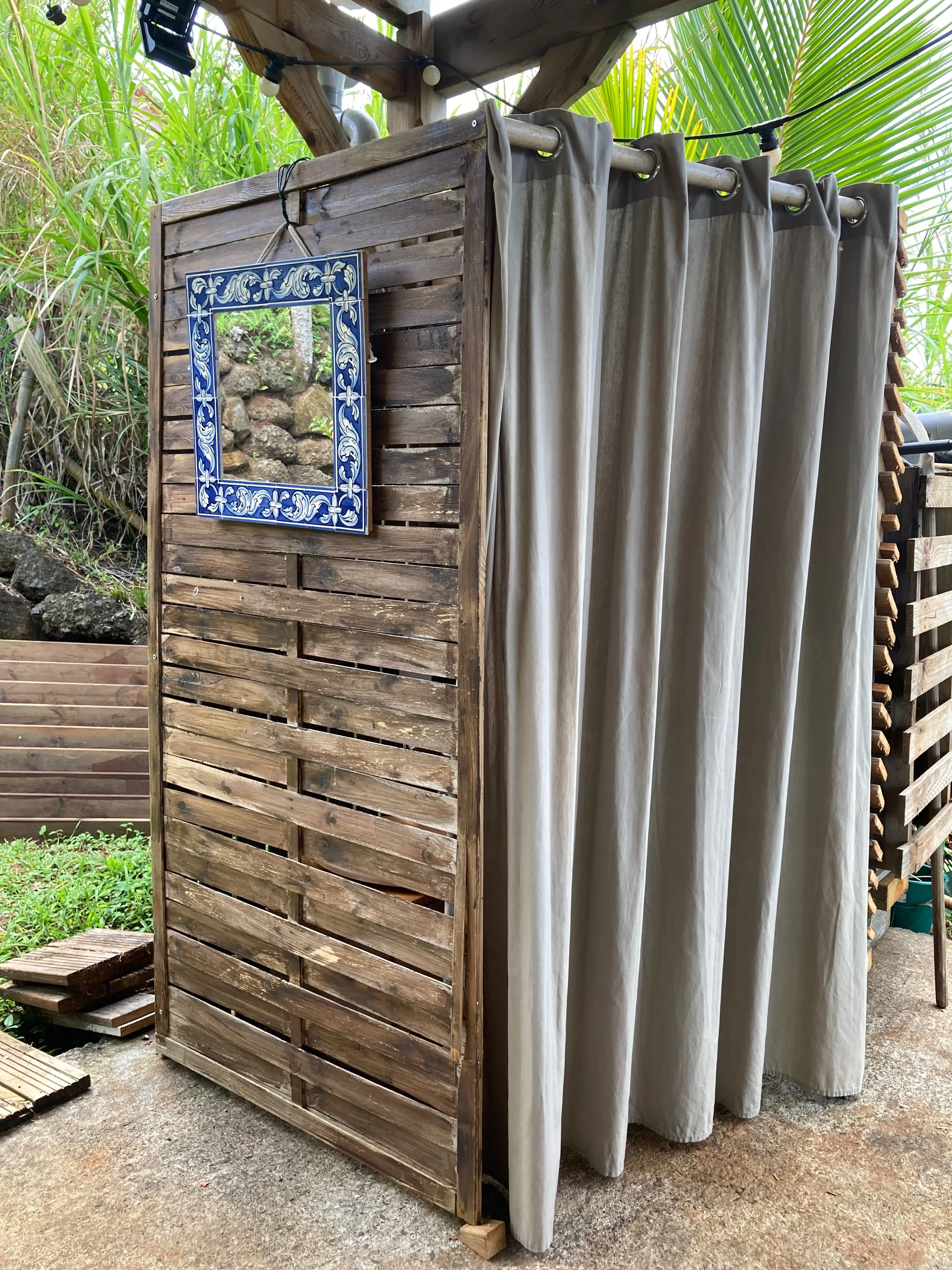
It is funny now to think about the first versions, the old chair, the conversations where Anaïs was clear that this would not be the long-term answer.
Today, we would not install anything else.
Not because we are trying to be perfect. Not because everyone should do the same.
Because it works.
It saves money, it saves drinking water, and it fits the way we are building this place: with what we have, with common sense, and without making things more complicated than they need to be.
At first, we chose dry toilets because we did not really have a choice.
Now we keep them because we do not see why we would do otherwise.